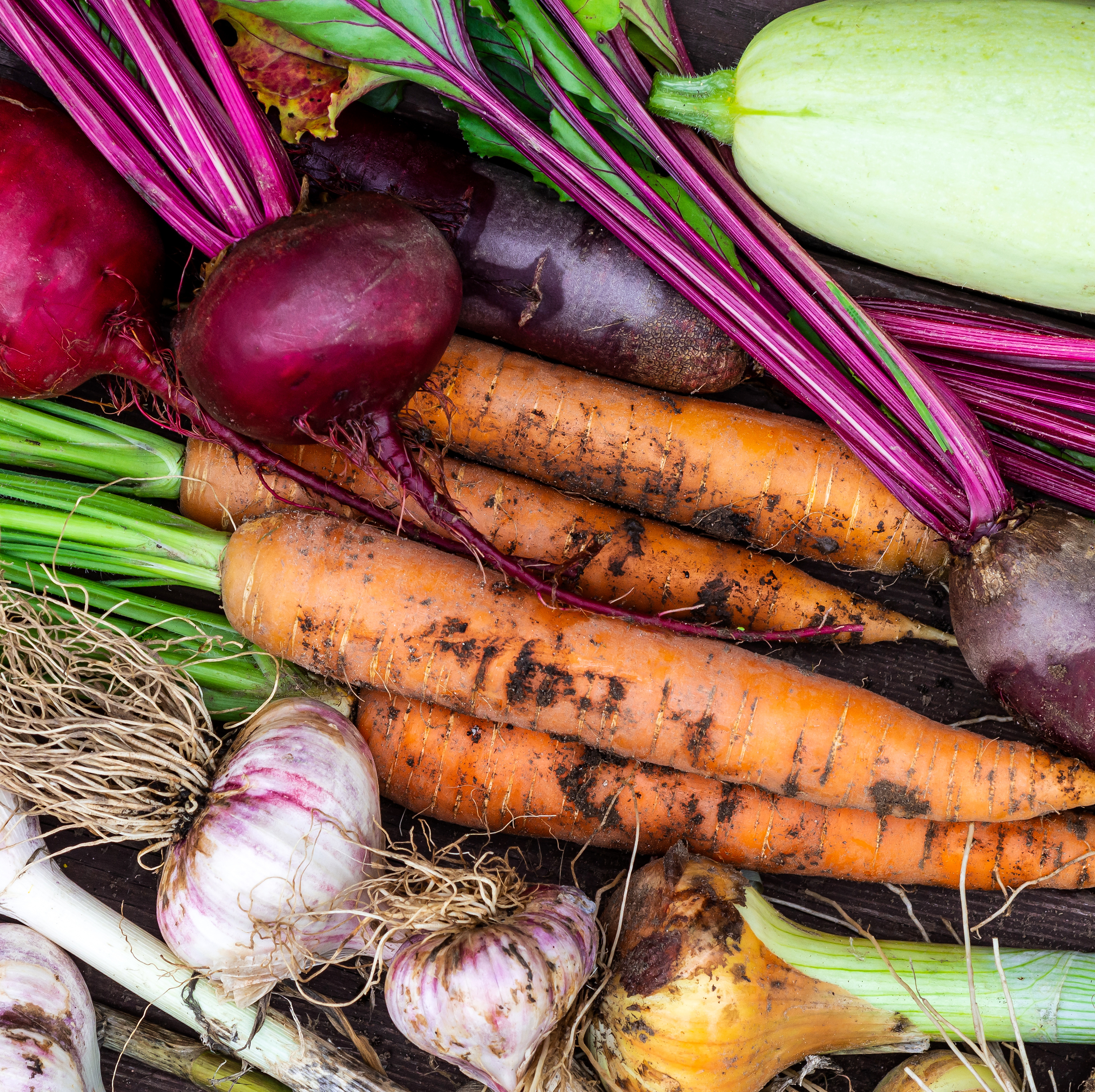
Gardeners across the country can turn surplus produce into help for neighbors through local pantries accepting homegrown food.
Many food gardens are reaching prime time this month, with crops of tomatoes, peppers, cucumbers and other warm-season vegetables ready to pick. Harvesting regularly is recommended to encourage production, but what happens when we end up with more squash than can fit on the kitchen counter? Or extra eggplant before tomorrow’s big trip? The Lincoln-Lancaster County Health Department has it covered with Harvest for Hunger, an annual campaign aimed at making fresh food donation to local hunger-relief organizations a fast and easy win-win.
Simply visit ampleharvest.org/find-pantry for a map of almost 20 open pantries across the county that accept homegrown produce, then pick the one that works for you. Perfect “grocery store” quality is not expected and no amount is too small. Furthermore, listings are updated regularly with information on what’s requested, when and where to drop it off and who to contact with any questions, so you can be confident on how to donate. And it’s not just veggies—herbs as well as orchard fruit and nuts are also good to share.
Healthy Food, Healthy Community
Along with keeping the ‘fruits’ of our labor from going to waste, sharing produce like this combats food and nutrition insecurity where we live. The latest data from Feeding America shows that 15.8% of people in Nebraska were food insecure in 2024, meaning that they had limited or uncertain access to adequate food. That’s more than one in seven people—over 52,000 children and adults in Lancaster County alone. Pantry donations can help bridge the gap as part of a steady stream of fresh, local food reaching families in need throughout the growing season.
Don’t Forget Food Safety
While the Good Samaritan Food Donation Act allows us to give away produce without worry, we don’t want to make anyone sick. Follow these tips to minimize the risk of foodborne illness for anyone eating what you grow.
- Avoid picking or handling produce while physically ill.
- Contaminated hands are a major carrier of harmful bacteria and viruses. Wash up with soap and water before harvesting.
- Sanitize tools, surfaces and containers before each use.
- Only donate produce that you would want to consume. Save spoiled, moldy or bruised items for the compost pile.
- The fresher the better for quality and shelf life. Try to time your harvest so that a dropoff can be made immediately.
- Leave produce whole and uncut. Remember that leaves of fennel, beets, carrots, turnips and radishes are edible, so keep them attached.
- Unwashed produce is safe to donate, and some pantries prefer it. Just gently wipe or brush away excess dirt.
- Keep most produce in the fridge except for onions, potatoes and winter squash, which can be stored on the counter until ready to donate.
Grow Another Row this Fall
Gardeners interested in helping stock pantry shelves can also consider planting more with donation in mind. This could mean adding to your garden next spring or you can even start now by extending the growing season with a fall crop. Cool-season veggies that can be planted through the end of August include leaf lettuce, green onion (from sets, not seed), radish, daikon, spinach and turnips. Plant garlic cloves in early- to mid-October to harvest bulbs next summer.
If you’re sowing behind an earlier crop, give the soil a week or two to settle after removing the old debris and rotate to a different plant family than was there before. Plant seeds slightly deeper than recommended for spring gardens. As first frosts approach in October, remember that protection measures such as temporary covers can keep many sensitive crops producing through the cold.
Search Our Archive
Associated Video
UNL Extension Educator John Fech picks a few vegetables and decides if they are ripe or not.